
✦ Premium Himachal Tourism
Explore the Hidden Paths of Himachal Pradesh
Discover untouched valleys, ancient temples, and thrilling adventures in the heart of the Himalayas. Curated journeys crafted with love by local experts.
Scroll
Discover untouched valleys, ancient temples, and thrilling adventures in the heart of the Himalayas. Curated journeys crafted with love by local experts.
Handpicked destinations showcasing the best of Himachal Pradesh's natural splendor and cultural heritage.
 Queen of Hills
 Adventure Hub
 Backpacker Haven
 Must Visit
 Paragliding Capital
Shimla, the capital of Himachal Pradesh, is a mesmerizing hill station that served as the summer capital of British India. Perched at an altitude of 2,276 meters in the southwestern ranges of the Himalayas, Shimla is named after Shyamala Devi, an incarnation of the goddess Kali. Today, it remains one of India's most beloved hill stations, drawing millions of visitors who come for its colonial architecture, stunning mountain views, vibrant cultural scene, and the refreshing mountain air that has enchanted travellers for over two centuries.
The city stretches along a ridge at the convergence of seven hills — Inverarm Hill, Observatory Hill, Prospect Hill, Summer Hill, Bantony Hill, Elysium Hill, and Jakhoo Hill. Each hill offers unique experiences, from the ancient Jakhoo Temple perched at the highest point to the lush greenery of Summer Hill. The Mall Road, Ridge, and Christ Church form the heart of Shimla's social and cultural life, while the surrounding pine and deodar forests provide a natural sanctuary just steps away from the bustling town center.
The history of Shimla dates back to ancient times, but it rose to prominence in 1819 when the British discovered it. By 1864, it was declared the summer capital of British India, transforming from a small cluster of villages into a magnificent colonial town. The British built the Viceregal Lodge (now the Indian Institute of Advanced Study), Christ Church, Gorton Castle, and numerous Tudor-style cottages that define Shimla's architectural character to this day.
The Kalka-Shimla Railway, a UNESCO World Heritage Site, was completed in 1903 and remains one of the most scenic railway journeys in the world, with 103 tunnels and over 800 bridges traversing the rugged terrain. Culturally, Shimla is a vibrant blend of Himachali traditions and colonial heritage. The annual Summer Festival, Ice Skating Carnival (the only natural ice-skating rink in South Asia), and the Shimla Heritage Festival celebrate this unique cultural tapestry.
💡 Insider Tip: Walk the Kalka-Shimla toy train early morning for misty valley views, and visit Jakhoo Temple at dawn to spot wild monkeys and enjoy panoramic Himalayan vistas.
Shimla offers an extraordinary blend of experiences — from strolling through colonial-era architecture and sipping chai at historic cafes, to trekking through pine forests and watching snowfall from your balcony. It serves as the perfect introduction to the Himalayas, offering both luxury and adventure. The town's walkability, combined with its rich history, makes it ideal for families, couples, solo travellers, and photographers alike.
Jubbarhatti Airport (23 km) has limited flights. Chandigarh Airport (120 km) is the nearest major airport with excellent connectivity to Delhi, Mumbai, and Bangalore.
Kalka Railway Station (96 km) connects via the UNESCO toy train — a 5-hour scenic journey through 103 tunnels. Broad gauge trains available from Delhi to Kalka.
NH-5 connects Delhi to Shimla (350 km, 7-8 hrs). Volvo buses from Delhi ISBT Kashmere Gate are comfortable and affordable. Private taxis available from Chandigarh (115 km).
Walk the Mall Road area. Hired taxis for outer destinations. State-run buses connect all nearby towns. Auto-rickshaws available within city limits.
Spring (March-May): Pleasant 10°C–25°C. Rhododendrons bloom. Ideal for sightseeing and trekking.
Summer (June-August): Warm 15°C–30°C. Peak tourist season. Monsoon brings lush greenery but occasional landslides.
Autumn (September-November): Cool 8°C–20°C. Clear skies, golden foliage. Best for photography and long walks.
Winter (December-February): Cold -2°C–10°C. Snowfall in January. Perfect for snow experiences and ice skating.
Summer: Light woolens for evenings, comfortable walking shoes, sunglasses, sunscreen, rain jacket. Winter: Heavy woolens, thermal wear, waterproof jacket, warm gloves, beanie, insulated boots. Year-round: Camera, power bank, basic medicines, reusable water bottle.
1. Jakhoo Temple Summit: 360-degree panoramic views of the Greater Himalayas. 2. The Ridge at Sunset: Golden hour photography with Christ Church as backdrop. 3. Kufri Green Valley: Snow-covered landscapes in winter, lush meadows in summer. 4. Chadwick Falls: Dramatic waterfall surrounded by pine forests. 5. Toy Train at Barog Station: Iconic shot with the train emerging from tunnels. 6. Chail Palace: Heritage architecture with mountain backdrop.
• Annadale Ground: Historic golf course and helipad with colonial charm. • Sankat Mochan Temple: Ancient Hanuman temple on Jakhu Road, less crowded. • Glenn Forest: One of the oldest golf courses in Asia with beautiful trails. • Shaily Peak: A lesser-known viewpoint near Naldehra. • Glen Falls: A short hike from Annandale through beautiful pine forest.
Don't miss these Himachali delicacies: Siddu (steamed bread with walnuts/poppy seeds), Madra (chickpea curry in yoghurt), Dham (traditional feast with 8-10 courses), Chha Gosht (spicy mutton in gram flour), Babru (Himachali kachori), and Patande (Himachali flatbread). Best restaurants: Wake & Bake (Mall Road), Indian Coffee House (heritage), Sita Ram & Sons (street food), 45 The Central (fine dining).
Lakkar Bazaar: Famous for wooden crafts, toys, and walking sticks. The Mall Road: Himachal Emporium for authentic shawls, Pahari paintings, and silver jewelry. Lower Bazaar: Local produce, dried fruits, and traditional Himachali caps. Kalka-Shimla Railway Station: Small shops selling local honey and herbal products. Look for: Kullu shawls, Chamba Rumal embroidery, silver jewelry, and hand-carved wooden items.
• Carry layers even in summer — Shimla weather changes quickly. • Avoid visiting during peak monsoon (July-August) due to landslide risk. • Book hotels well in advance for May-June peak season. • The toy train tickets should be booked 2-3 months in advance. • Hire registered taxis only — avoid unauthorized operators. • ATMs are available on Mall Road but carry cash for smaller shops. • Mobile connectivity is good for Jio and Airtel throughout the city.

Manali is where the Himalayas reveal their most dramatic and enchanting face. Nestled at the northern end of the Kullu Valley, this town sits at the confluence of the Beas River and its tributary, the Manalsu. Surrounded by towering snow-clad peaks of the Pir Panjal and Greater Himalayan ranges, Manali is not just a destination — it's a feeling. The crisp mountain air, the roar of the Beas River, the scent of deodar forests, and the warmth of Kulluvi hospitality create an atmosphere that captivates every visitor.
From the adventure-seeking backpackers exploring Old Manali's vibrant café culture to the honeymooners capturing memories at Rohtang Pass, from the spiritual seekers at the ancient Hadimba Temple to the thrill-seekers at Solang Valley — Manali caters to every kind of traveller. It is also the last major town before the treacherous and breathtaking roads to Leh-Ladakh, making it a crucial stopover for adventure enthusiasts.
Manali derives its name from Manu, the Hindu lawgiver who is believed to have meditated here after the great flood. The town is steeped in mythology — the Pandavas of the Mahabharata are said to have passed through this region on their final journey to heaven. The Kullu Valley, of which Manali is a part, has been inhabited for thousands of years and is known for its unique customs, distinct dialect (Kullui), and vibrant festivals.
The annual Kullu Dussehra, celebrated in October, is one of the most spectacular festivals in India, featuring hundreds of deities from across the valley gathered to pay homage to Lord Raghunathji. The people of Manali are predominantly Hindu, with a significant Buddhist population, creating a beautiful cultural blend reflected in the temples, monasteries, and daily life.
By Air: Bhuntar Airport (50 km) has daily flights from Delhi. Taxis available to Manali (2 hrs). By Road: NH-3 from Delhi via Ambala-Chandigarh-Mandi (540 km, 12-14 hrs). Volvo buses from Delhi are comfortable overnight options. Local Transport: Local buses, shared jeeps, and hired taxis. Walking is the best way to explore Old Manali and Mall Road.
Mar–Jun (Spring/Summer): 10°C–25°C. Perfect weather, blooming flowers, ideal for all activities. Jul–Sep (Monsoon): 15°C–22°C. Lush greenery but landslide risk. Rohtang Pass may close. Oct–Nov (Autumn): 5°C–18°C. Crystal clear skies, golden foliage, best photography season. Dec–Feb (Winter): -5°C–8°C. Heavy snowfall, magical winter wonderland, skiing at Solang.

Kasol, a small hamlet in the Parvati Valley, has become a global phenomenon among backpackers, hippies, and spiritual seekers. Sitting on the banks of the gushing Parvati River, surrounded by towering pine-covered mountains, Kasol is a place where time slows down and the soul finds its rhythm. Known affectionately as "Mini Israel," the village has a significant Israeli population, reflected in its Hebrew signboards, Israeli restaurants serving authentic hummus and falafel, and the laid-back Mediterranean-meets-Himalayan vibe.
But Kasol is far more than its reputation suggests. It is the gateway to some of the most beautiful treks in Himachal — Kheerganga, Tosh, Malana, and the legendary Pin Parvati Pass. The Parvati Valley is believed to be the meditation ground of Lord Shiva, adding a mystical energy to the entire region. From the trance music echoing through the riverside cafés to the ancient hot springs of Manikaran, Kasol offers a unique blend of adventure, spirituality, and bohemian freedom.
History & Culture: The Parvati Valley has been a spiritual center for millennia. Legend says Goddess Parvati meditated here for 1,100 years. The valley is home to ancient villages with unique customs — Malana village, known as the "Athens of the Himalayas," has its own democratic system dating back thousands of years. The blend of Hindu, Buddhist, and even Jewish cultural influences creates a truly unique atmosphere.
Best Time to Visit: March to June (15°C–25°C) is ideal for trekking and river activities. September to November (5°C–20°C) offers clear skies and autumn colors. December to February is very cold (below freezing) but magical with snow. Monsoon (July-August) brings heavy rains and landslide risks.
How to Reach: Delhi to Bhuntar by flight (1 hr) or overnight Volvo bus (10-12 hrs). Bhuntar to Kasol by taxi (2 hrs, 77 km). Local transport: Walking is the primary mode. Shared jeeps to nearby villages.
Packing: Good trekking shoes, warm layers (even in summer nights are cold), rain jacket, power bank, flashlight, reusable water bottle, basic first aid, sunscreen, insect repellent. Cash is essential — ATMs are unreliable in Kasol.
🍕 Kasol Food Guide: Try Moon Dance Café (Israeli), Evergreen Café (multi-cuisine), Jim Morrison Café (Indian), and the Manikaran Gurudwara langar (free community meal). Don't miss the fresh trout from the Parvati River!
• Rashol Village: A tiny village above Kasol with incredible valley views and zero tourists. • Malana Crystal Lake: Hidden alpine lake near Malana, accessible via a challenging trek. • Parvati River Rafting: White water rafting stretches available near Jari village. • Shangarh: A pristine village in the Sainj Valley, 4 hours from Kasol, with ancient temples and lush forests. • Bijli Mahadev Temple: A 16th-century temple at 2,460 m with a 20-meter staff that attracts lightning.

Spiti Valley, known as "the Middle Land" between Tibet and India, is a cold desert mountain valley located in the northeastern part of Himachal Pradesh. Sitting at an average altitude of 3,800 meters, it is one of the most remote, pristine, and breathtakingly beautiful places on Earth. The landscape is dramatic and otherworldly — barren mountains carved by the Spiti River, ancient monasteries clinging to cliffsides, and villages that have existed unchanged for a thousand years.
The valley is home to some of the oldest and most significant Buddhist monasteries in the world. Key Monastery, perched on a hilltop at 4,166 meters, houses priceless Buddhist manuscripts and thangkas. Tabo Monastery, often called the "Ajanta of the Himalayas," is over 1,000 years old and was visited by the Dalai Lama. The villages of Komic (the world's highest motorable village), Hikkim (home to the world's highest post office), and Langza (famous for marine fossils) are living museums of Himalayan culture.
Why Visit Spiti: It's not just a destination — it's a transformation. The stark beauty, the silence of the high desert, the warmth of the Spitian people, and the spiritual depth of ancient monasteries create an experience that stays with you forever. The Chandratal Lake, with its impossibly blue waters against a backdrop of snow peaks, is one of the most beautiful lakes in the world.
Getting There: Two routes — from Manali via Rohtang Pass, Kunzum Pass (4,551 m), or from Shimla via Kinnaur Valley (longer but more gradual altitude gain). The Manali route is open June-October only. We recommend the Shimla route for first-timers to acclimatize properly.
Important: Spiti requires Inner Line Permit (we arrange). Altitude sickness is real — spend at least 2 nights at intermediate altitudes before entering the valley. Carry warm clothing even in summer — temperatures can drop to 0°C at night.
⚠️ Spiti Safety: Acclimatize properly. Drink 3-4 liters of water daily. Avoid alcohol at altitude. Carry Diamox for AMS. The roads are rough — a 4x4 vehicle is mandatory. Mobile network is available only in Kaza (BSNL/MTNL). Fuel stations only at Reckong Peo and Kaza — fill up before entering Spiti.
Every journey is personally designed. Contact us for a customized travel quote tailored to your preferences, budget, and timeline.
 3D / 2N
Perfect weekend escape covering Shimla's Mall Road, Kufri, Manali's Hadimba Temple, Solang Valley, and Old Manali's vibrant café culture. Comfortable accommodations, private transfers, and expert local guidance.
📞 Free custom itinerary
Get Quote → 5D / 4N
Explore Shimla, Kullu, and Manali with ancient temple visits, scenic valley drives, and cultural immersion. Includes Rohtang Pass excursion, river rafting, and traditional Himachali dining experiences.
💎 Tailored for you
Get Quote → 7D / 6N
The ultimate 7-day journey: Shimla → Kullu → Manali → Kasol → Dharamshala → McLeod Ganj. Every major highlight covered with premium accommodations, expert guides, and exclusive access to hidden viewpoints.
✨ Ultimate experience
Get Quote → 10D / 9N
Epic journey through the trans-Himalayan cold desert: Manali → Rohtang → Key Monastery → Kaza → Hikkim → Chandratal → Chitkul. Camps under billions of stars and ancient monasteries at 4,000+ meters.
🏔️ Once in a lifetime
Get Quote → 14D / 13N
The definitive luxury experience covering every corner of Himachal. From luxury stays in Shimla to camping at Chandratal, from paragliding at Bir to the silence of Chitkul — this is the journey of a lifetime.
👑 Luxury experience
Get Quote →Professional trekking guides with experienced leaders, safety equipment, and unforgettable mountain experiences.
Triund Trek is the most popular and accessible trek in Himachal Pradesh, making it the perfect introduction to Himalayan trekking. Starting from McLeod Ganj, this 9 km trail takes you through dense rhododendron and oak forests, open meadows, and ends at a stunning ridge at 2,875 meters offering unobstructed 180-degree panoramic views of the Dhauladhar range and the Kangra Valley below. The trek is manageable for beginners yet rewarding enough for experienced trekkers, making it a year-round favorite.
• Always trek with a certified guide — trail can be confusing in fog. • Start early (before 9 AM) to avoid afternoon clouds that reduce visibility. • Carry extra water — there are no reliable water sources on the trail. • Watch for slippery sections during monsoon — the trail has loose rocks. • Inform someone about your trek plan before starting. • Acclimatize in McLeod Ganj (2,082 m) for at least one day before the trek. • The trail is well-marked, but visibility can drop suddenly — don't trek in fog. • Respect the environment — carry back all waste.

One of India's most dramatic cross-over treks — walk from lush green Kullu Valley across 4,270 m Hampta Pass into the barren landscapes of Lahaul. Includes Chandratal Lake side trip. River crossings, alpine meadows, and the surreal contrast of landscapes make this unforgettable.

Magical trek through Parvati Valley ending at natural hot springs at 2,960 m. Trail passes through dense forests, waterfalls, and remote villages. Soak in steaming hot pools surrounded by snowy peaks. Perfect weekend trek from Kasol with camping under the stars.

Named after Sage Bhrigu, this glacial lake at 4,300 m near Manali is where the sage is believed to have meditated. The trek offers vast alpine meadows, panoramic views of Pir Panjal range, and the otherworldly turquoise frozen lake at high altitude.

The ultimate Himalayan challenge connecting lush Parvati Valley to barren Spiti Valley over the 5,319 m Pin Parvati Pass. This expedition demands physical fitness and mental resilience. Glaciers, moraines, river crossings, and constantly changing landscapes.
Embark on divine pilgrimages through ancient temples and sacred sites nestled in the lap of the Himalayas.

One of the 51 Shakti Peeths, Jwala Ji is famous for its eternal natural flames that burn without any fuel source. Legend says the tongue of Goddess Sati fell here. The temple houses nine eternal flames representing different forms of the Goddess. Even Mughal Emperor Akhal tried and failed to extinguish these flames. Timings: 5:00 AM – 8:00 PM. Best Visit: Navratri (March & October) when special celebrations attract thousands. Ritual: Morning aarti with the eternal flames, followed by prasad distribution. Route: 35 km from Kangra, accessible by road from Dharamshala. Suggested Plan: Day trip from Dharamshala — depart early morning, visit temple, explore Kangra Fort, return by evening.

Another revered Shakti Peeth, dedicated to Goddess Chinnamastika. Perched atop a hill in Una district, this temple is known for wish fulfillment — "Chintpurni" literally means "fulfiller of desires." Devotees from across India visit to seek blessings, especially during Navratri when the temple comes alive with ancient rituals, devotional music, and the powerful energy of thousands of devotees. Timings: 5:00 AM – 9:00 PM. Ritual: Offer red chunari, coconut, and sweets to the Goddess. Route: 70 km from Una, connected by road from Hoshiarpur. Suggested Plan: 2-day trip from Delhi — overnight stay in nearby Bharwain, early morning darshan, afternoon return.
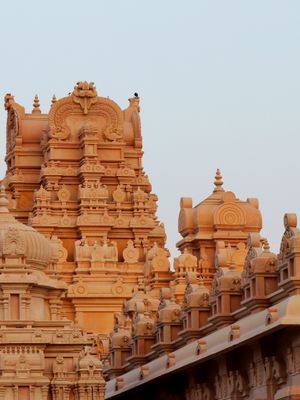
Perched atop a hilltop in Bilaspur district overlooking the vast Gobind Sagar Lake, Naina Devi is one of the most sacred Shakti Peeths. Legend says the eyes (Nain) of Sati fell here. The temple offers breathtaking views of the Shivalik hills and the reservoir. Can be reached via a scenic ropeway from the base or a 3 km trekking trail. Timings: 5:30 AM – 8:00 PM. Ritual: Special evening aarti with lake backdrop. Route: 40 km from Bilaspur, 100 km from Chandigarh. Suggested Plan: Combine with Anandpur Sahib Gurudwara for a 2-day spiritual circuit from Chandigarh.

A masterpiece of Nagara-style architecture dating back to 1204 AD, this Lord Shiva temple in Baijnath is one of the oldest and most architecturally significant temples in North India. The intricate stone carvings, ancient inscriptions, and the sacred Shivling make it a treasure for both history lovers and devotees. Set against the backdrop of the Dhauladhar range, the temple radiates timeless spirituality. Timings: 6:00 AM – 7:00 PM. Ritual: Morning abhishekam with milk and water. Route: 40 km from Kangra, accessible via NH-154. Suggested Plan: Combine with Dharamshala visit — half day at Baijnath, half day at McLeod Ganj.

Nestled amidst towering deodar forests in Manali, this unique pagoda-style wooden temple built in 1553 AD is dedicated to Hidimba from the Mahabharata. The temple's architecture is unique — no idol inside, just a massive rock with a footprint believed to be of the goddess. The surrounding cedar forest creates a mystical atmosphere unlike any other temple. The annual Hidimba Devi Fair in May is a major cultural event. Timings: 8:00 AM – 6:00 PM. Ritual: Circumambulation of the temple and the sacred rock. Route: 3 km from Manali Mall Road, easily walkable. Suggested Plan: Combine with Old Manali village walk and Vashisht Temple for a half-day spiritual trail.
Push your limits with adrenaline-pumping activities across Himachal Pradesh.
 30 Min Flight
Soar over the Kangra Valley from the world's second-highest paragliding site. Tandem flights with certified pilots, GoPro footage included. Season: March-June & October-November.
🪂 Book your flight
Get Quote → Overnight
Luxury camping under the stars at curated campsites. Bonfires, barbecues, stargazing, and morning mountain views across Kasol, Tirthan Valley, and Chandratal.
⛺ Stars above, fire below
Get Quote → 2-3 Hours
White-water rafting on the Beas River with Grade II-IV rapids. Professional guides, safety equipment, and an adrenaline rush you'll never forget. Season: April-June.
🌊 Feel the rush
Get Quote →We don't just plan trips — we craft unforgettable experiences rooted in local expertise and genuine hospitality.
Born and raised in Himachal, our founders Shivam & Shubham know every hidden trail, secret waterfall, and authentic homestay.
Every itinerary is personally designed to match your travel style, budget, and dream destinations. No cookie-cutter packages.
Certified guides, insured vehicles, quality-checked accommodations, and 24/7 emergency support throughout your journey.
Premium experiences at honest prices. No hidden charges, no surprise fees — just transparent pricing you can trust.
A glimpse into the magical landscapes and unforgettable moments from our journeys.


Real stories from real travellers who explored Himachal Pradesh with The Lost Route.
Whether it's a weekend getaway or a multi-week expedition, we'll craft the perfect itinerary for you.
Reach out through any channel below or fill the form — our team responds within 24 hours with a personalized travel quote.
Himachal Pradesh, India
Monday - Saturday: 9:00 AM - 7:00 PM
Sunday: 10:00 AM - 4:00 PM
Tell us about your dream trip — we'll create a personalized itinerary.
